Professional Electrical Contractor for Reliable Setups and Repairs
Within the domain of electrical work, a talented contractor serves a essential role in ensuring both trustworthy installations and repairs. Their proficiency not only guarantees adherence to safety standards but also fosters a sense of reliance with clients. By evaluating important qualities, such as experience and verbal skills, one can identify the right professional for the job. Understanding these factors can greatly impact the success of any electrical project, prompting further exploration into the selection process.
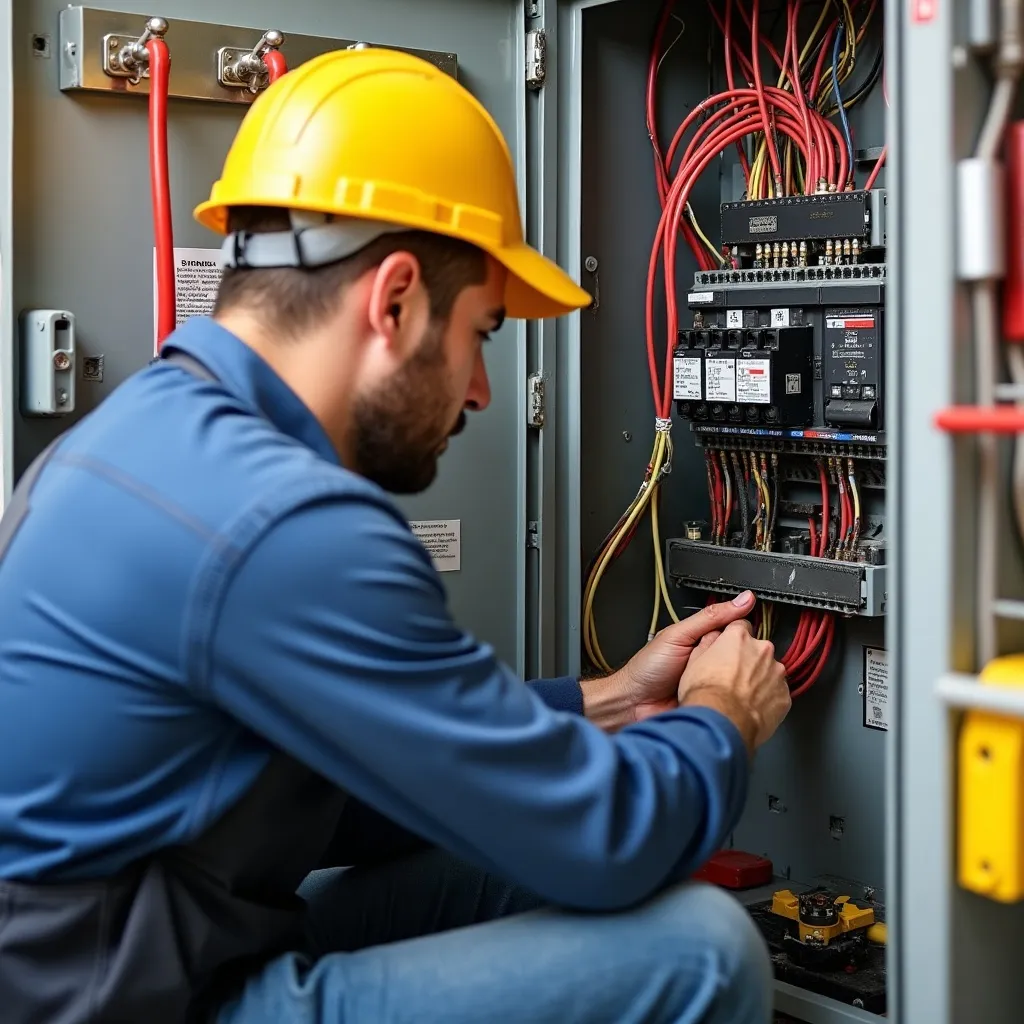
Essential Characteristics of a Trustworthy Electrical Contractor
When evaluating an electrical contractor, it is important to determine the essential qualities that lead to trustworthiness. A dependable contractor must exhibit proper licensing and insurance, ensuring adherence to local regulations and protection from potential liabilities. Experience in the industry is another vital factor; seasoned contractors are more competent in addressing various electrical issues and grasping complex systems.
Additionally, robust interaction abilities are essential, permitting contractors to walk through procedures and handle client concerns lucidly. A dependable contractor also demonstrates integrity, supplying clear cost breakdowns and preventing surprise fees. Moreover, excellent reviews and references from previous customers can function as markers of reliability and outstanding quality. Finally, a drive for professional development shows a contractor's dedication on maintaining knowledge of evolving industry standards and innovations, which is necessary for delivering safe and competent electrical solutions. These qualities collectively form the foundation of a trustworthy electrical contractor.
How can You determine if Your Electrician Is competent?
Validating an electrician's experience is an crucial step in securing quality and safe electrical work. First and foremost, homeowners should ask to see the electrician's documentation, which confirms they meet city and state requirements. Verifying coverage protection is equally critical, as it secures owners from liability in case of problems. Additionally, identifying accreditations from recognized groups may reveal technical expertise and proficiency.
Homeowners can also inquire about the electrician's experience in particular kinds of electrical work relevant to their needs. Checking feedback and client testimonials from past customers provides understanding into the technician's dependability and professionalism. Additionally, direct communication can demonstrate the electrical professional's willingness to explain their qualifications and approach to the job. By taking these steps, homeowners can ensure they employ a skilled electrical professional able to provide safe and effective electrical services.
Why Experience Counts for Electrical Contractors
Experience is a vital factor in the effectiveness of electrical contractors. A proven skill set, careful adherence to safety compliance standards, and strong problem-solving expertise are signatures of seasoned professionals. These qualities not only enhance the quality of work but also ensure a safer environment for clients.
Demonstrated Capabilities
A knowledgeable electrical professional offers an broad collection of knowledge that significantly affects the safety and quality of electrical undertakings. Their established expertise incorporates a broad spectrum of capabilities, including problem-solving, installation, and care of electrical systems. Skill allows them to swiftly spot issues and apply efficient solutions, minimizing service interruptions and ensuring peak performance. Furthermore, veteran service providers understand the latest advances and industry advancements, enabling them to deliver modern approaches tailored to unique client needs. Their hands-on experience also equips them with the practical knowledge essential to navigate stringent electrical regulations and regulations. In conclusion, a experienced electrical contractor strengthens the stability of installations and repairs, establishing trust and confidence among clients.
Safety Compliance Standards
Mastering the intricate landscape of safety compliance standards requires a profound understanding and practical knowledge that only experienced electrical contractors possess. These professionals are well-versed in local, state, and national regulations, ensuring that all installations and repairs adhere to the highest safety protocols. Their experience allows them to spot potential hazards and implement preventative measures effectively. Moreover, grounding in industry standards, such as the National Electrical Code (NEC), is indispensable for maintaining compliance and safeguarding lives. A adept electrical contractor not only stresses safety but also executes thorough inspections to identify any discrepancies. This devotion to compliance not only mitigates risks but also extends the linked article longevity and reliability of electrical systems, ultimately benefiting clients and the broader community.
Solution-Finding Expertise
Dealing with complex electrical issues demands acute problem-solving expertise that seasoned electrical contractors bring. Their considerable experience equips them to rapidly diagnose problems and apply efficient solutions, reducing downtime and ensuring safety. Unlike less experienced contractors, they have encountered a broad range of situations, enabling them to foresee likely challenges before they happen. This foresight leads to efficient project execution and decreased costs for clients. Furthermore, their knowledge of different systems and technologies helps them adapt to progressing industry standards effectively. Ultimately, the problem-solving skills of experienced electrical contractors not only enhance the quality of installations and repairs but also build trust and reliability in their services. Experience is indeed an invaluable advantage in this domain.
Why Upfront Pricing Is Fundamental
Why is transparent pricing crucial in the electrical service industry? Transparent pricing creates credibility between contractors and clients, providing clarity in cost anticipations. When clients get comprehensive quotes that outline labor, materials, and likely supplementary costs, they can make informed decisions without the fear of hidden costs. This transparency promotes a constructive partnership and promotes repeat business.
Additionally, transparent pricing allows clients to assess options successfully, permitting them to pick professionals who offer fair and sincere pricing. It minimizes miscommunications and disagreements, expediting the project timeline. A established electrical contractor who adopts transparent pricing exhibits professionalism and accountability, emphasizing their commitment to quality service. Ultimately, transparency in rates not only enhances customer contentment but also contributes to a contractor's image in a tough market, paving the way to enduring success.
What You Should Know About the Electrical Contract Procedure
During the electrical contracting procedure, clients can anticipate a structured approach that begins with an initial consultation. This meeting enables the contractor to evaluate requirements and explore potential solutions. Following this, the installation and repair steps are executed with careful attention and adherence to safety protocols.
Starting Discussion Process
What might one look for when starting the electrical contracting process? The opening meeting is a vital step for both client and contractor. During this discussion, the contractor talks over the client's needs, objectives, and any distinct requirements concerning the project. They will inspect the site, noting potential hurdles and opportunities. Clients should be ready to ask questions about timelines, costs, and the contractor's background. The contractor typically shares insights into the latest developments and solutions that fit with the client's vision. This stage often involves detailed discussions about compliance with local regulations and safety standards. Ultimately, the initial consultation sets the stage for a clear working relationship, ensuring both parties are coordinated before moving forward.
Setup and Repair Instructions
Once the opening consultation has finished, the installation and repair process begins with a thorough assessment of the project requirements. The electrical contractor reviews existing systems, identifies potential issues, and plans a plan that describes necessary materials and timelines. Following this assessment, the contractor acquires any required permits and licenses to guarantee compliance with local regulations.
Next, the installation or repair work is carried out, which may encompass electrical connections, fitting fixtures, or equipment upgrades. Throughout the process, the contractor sustains clear dialogue with the client to handle any worries. After conclusion, a ultimate assessment verifies that everything meets safety standards and works as intended. The contractor delivers advice on care and handling, guaranteeing the client feels confident in their electrical system.
Developing Trust With Your Electrical Contractor
Developing trust with an electrical contractor is necessary for creating a accomplished project outcome. This bond promotes open communication, enabling clients to articulate their requests and concerns while contractors render expert counsel and transparent pricing. A contractor's credibility plays a key role; verified credentials, strong reviews, and past project references can greatly determine a client's faith.
Moreover, establishing clear parameters pertaining to timelines, costs, and responsibilities establishes a cornerstone of reliability. Ongoing feedback during the project can increase confidence, as clients remain in the loop and involved.
Furthermore, a reliable contractor will be transparent about potential challenges and solutions, demonstrating integrity and professionalism. Ultimately, building trust not only results in better collaboration but also ensures that the electrical work is finished to the highest benchmarks, ensuring safety and satisfaction for all parties involved.
Regularly Asked Questions
What Types of Electrical Solutions Do Contractors Typically Provide?
Electrical contractors regularly offer services encompassing electrical wiring work, circuit restoration, lighting solutions, panel modifications, troubleshooting, and maintenance. They also manage safety inspections, energy audits, and can assist with sustainable energy installations, ensuring compliance with regulations.
What Can I Do to Prepare for an Electrician's Appointment?
To get ready for an electrician appointment, one should clear the work area, guarantee easy access to outlets and panels, gather pertinent paperwork, and compile specific issues or questions to go over during the appointment.
What Safety Guidelines Do Electrical Contractors Comply With?
Electrical contractors follow comprehensive safety guidelines, such as donning protective gear, guaranteeing correct tool application, following electrical codes, conducting risk assessments, servicing tools and apparatus, and implementing lockout/tagout procedures to avoid unintended power activation during work.
Do Electrical Contractors Maintain Insurance and Bond Coverage?
Yes, electrical professionals are typically insured and insured. This guarantees defense against obligations and injury during undertakings, supplying clients with peace of mind and preserving both parties involved in the contractual agreement.
What Actions Should I Take for Electrical Emergencies?
When facing power emergencies, it is important to quickly turn off the power, refrain from contacting water, and reach out to a licensed professional. Remaining calm and safeguarding personal safety proves critical before professional assistance arrives on scene to tackle the issue.